
Federal Emergency Management Agency (FEMA) and Texas Division of Emergency Management (TDEM) representatives recently conferred with Burnet County officials to discuss how to continue recovery from the July 4 flood disaster.
They convened Sept. 5 in Burnet at the Texas AgriLife Extension, 607 Vandeveer to discuss preliminary details related to federal assistance and the “scope of work” needed to assess various emergency expenses and what fixtures can be restored to “pre-disaster conditions.”
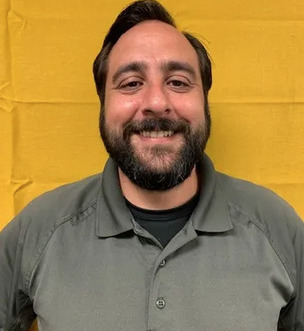
Burnet County Emergency Management Coordinator Derek Marchio attended the meeting.
“It is an administrative step,” Marchio told the Bulletin. “It is a process to reduce the burden on taxpayers after the disaster.”
More attendees included County Judge Bryan Wilson, Pct. 1 Commissioner Jim Luther Jr., Pct. 3 Commissioner Chad Collier, County Development Services Director Herb Darling and County Auditor First Assistant Cindy Dalrymple.
FEMA representatives included Public Assistance Manager Isaiah McKenzie and Environmental and Historic Preservation Specialist Sarah Carino.
TDEM disaster managers Matthew Iwkes and Kevin Epoch also attended.
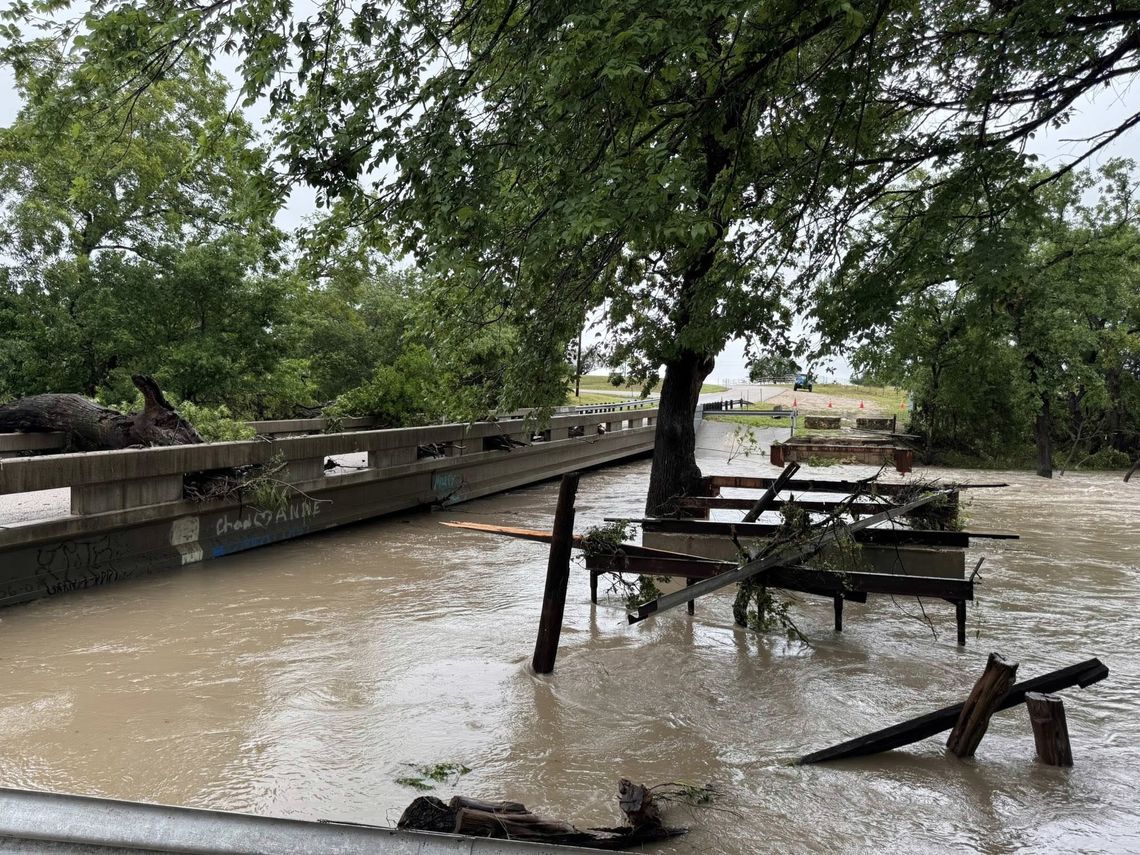
During the meeting, Collier, Luther and Wilson confirmed more than 50 roads and culverts; one low-water crossing, the county courthouse roof; and more structures suffered critical damage during the July 4 flood.
Also, Luther mentioned almost 100 yards of fence around 800acres of county-owned land along Texas 29 were “washed out” during the flood.
Furthermore, the flood tore from its moorings the historical Joppa Bridge at CR 200 to the point where it is now “just a big ball of steel,” Wilson said.
“Nobody knows what to do with it,” the judge added.
All county roads damaged during the flood have been restored to a “passable condition” but not all of those roads have been repaired completely, Wilson said.
FEMA officials plan to hold additional meetings, conduct site inspections and collect various “elements of information” before the agency decides whether to authorize federal financial assistance, McKenzie said.
It may cost the federal government between $4,000 to $1 million to fund repairs, take between six and 18 months to complete the repairs and to implement any mitigation measures requested by the county, he added.
“All the work must be a result of a declared (flood) incident,” McKenzie said. “All the costs must be reasonable.”