

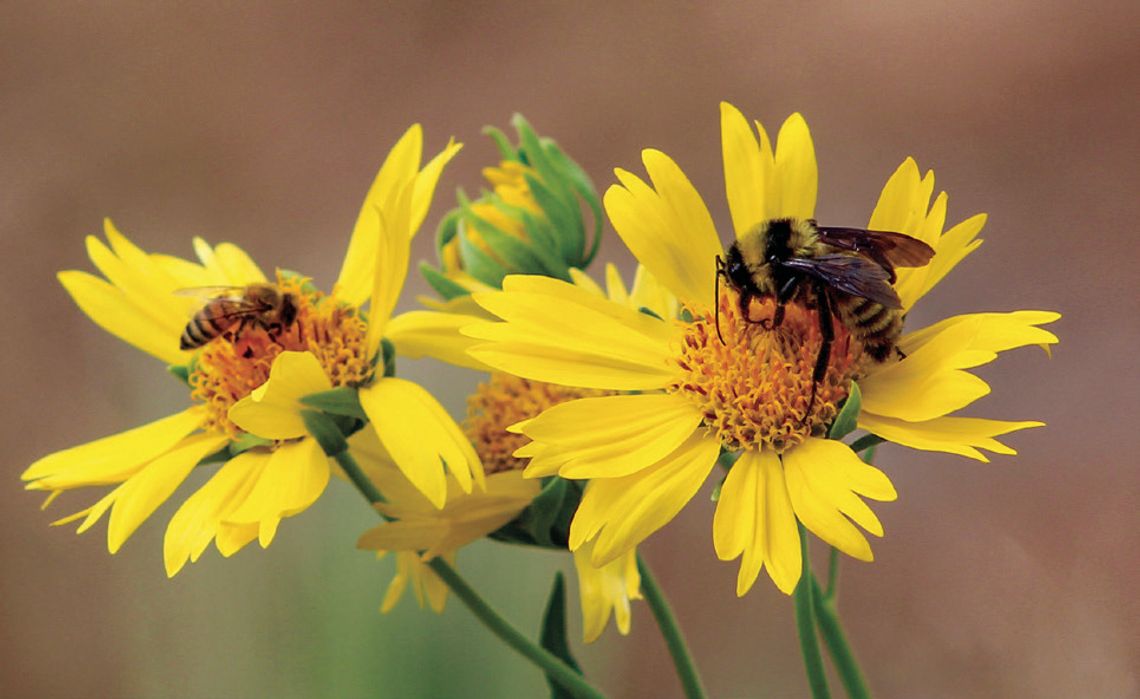
Bee populations across Central Texas are facing steady pressure from habitat loss, drought, pesticide use, and the decline of native flowering plants.
While honey bees often receive the most attention, Texas is also home to a remarkable diversity of native bees, with at least 1,100 native species documented or estimated across the state. Many of these bees are solitary, ground nesting, or dependent on specific native plants for pollen and nectar, which makes them especially vulnerable when open land is cleared, lawns replace wild edges, and landscapes are kept too tidy. Because pollinators help sustain native plant communities, food crops, and the broader web of insects, birds, and wildlife, their decline is not just a garden concern, it is an ecosystem concern.
Gardeners can make a meaningful difference by treating their yards, beds, and even small patio spaces as stepping stones of habitat. Planting a succession of blooms from early spring through fall gives bees a steady food source during Central Texas’ long growing season. Native and well adapted plants such as bluebonnet, mealy blue sage, fall aster, goldenrod, purple coneflower, blackfoot daisy, kidneywood, Texas lantana, frostweed, mistflower, and flowering herbs can support a wide range of pollinators. Just as important, gardeners can reduce or avoid pesticides, leave some bare ground for ground nesting bees, allow hollow stems and leaf litter to remain in out of the way areas, and provide shallow water during hot, dry weather. A pollinator friendly garden does not have to be large or formal; a chain of small, thoughtful gardens across neighborhoods can help rebuild the nectar, pollen, shelter, and nesting habitat bees need to survive.
Burnet County Fair Are you ready for the Burnet County Fair Vegetables, Herbs and Eggs contest? With judging set for June 11, now is the time to start looking closely at your garden, herb beds, and laying boxes to decide which entries may make the best contenders. Watch for healthy plants, strong growth, good color, uniform shape, and eggs that best represent the care you have put into your backyard, coop, or garden rows. Whether you are a seasoned grower or entering for the first time, this contest is a fun way to celebrate local gardeners, fresh food, and the pride that comes from raising something with your own hands.
Photography as a Conservation Tool
Thank you to the Highland Lakes Gardeners for the wonderful attendance and warm participation at yesterday’s presentation, Photography as a Conservation Tool. The program focused on garden storytelling and how a simple photo can provide an accurate reflection of what is happening in the landscape, from plant health and seasonal changes to pollinator activity and habitat clues. If you were unable to attend the meeting or would simply like a PDF copy of the presentation, please email or text Martelle.
For Central Texas gardens, May is the month to watch closely and prepare plants for the long stretch of heat ahead. Check soil moisture below the surface, not just on top, and water deeply when needed so roots grow down instead of staying shallow. Refresh mulch around vegetables, herbs, fruit trees, and flower beds to help hold moisture and moderate soil temperature. Keep pulling weeds before they go to seed and start watching for warm season problems such as squash vine borers, aphids, spider mites, powdery mildew, and heat stress on new or tender plants. This is also a good time to keep a simple garden journal, take photos, and note which plants are thriving, blooming, setting fruit, or beginning to struggle.
To Do:
Watch tomatoes, pep-
Master’s Garden ... Page 10 pers, squash, cucumbers, beans, okra, and eggplant for flowers, fruit set, pests, and signs of stress.
Plant or refresh heat-loving crops such as okra, Southern peas, sweet potatoes, melons, Malabar spinach, and basil.
Trim herbs lightly to encourage fuller growth but avoid heavy cutting on plants you may want to enter in the Burnet County Fair.
Look over herbs, vegetables, and eggs now and begin choosing possible fair contenders for June 11 judging.
Deadhead spent flowers, collect dry seeds from spring bloomers, and leave some seed heads or stems for wildlife where appropriate.
Avoid broad pesticide use, especially when plants are blooming and pollinators are active.
Provide shallow water for birds, bees, butterflies, and other garden visitors during hot, dry spells.
Take photos from the same spots each week to track plant growth, bloom cycles, pest pressure, and changes in the garden over time.
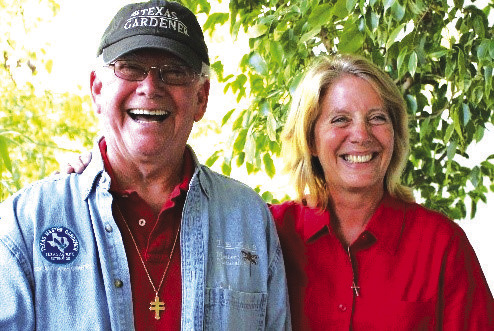
Till next time, Keep your souls and soles in your garden. Remember the True Master Gardener: Jesus said, “I am the vine; my Father is the Gardener.” John 15:1 Have questions or comments? Contact Martelle Luedecke (512) 769-3179 at luedeckephotography@ gmail.com or Bill at email bill@texasland. net.