
As reports of a New World screwworm outbreak mount, local ranchers and auction barns are taking a closer look at daily protocols.
“It’s just something you have to do your due diligence with. If you have something, you treat it. There’s different medicines,” said Oatmeal cattle rancher Brent Nichols. “Back when I was young, we didn’t have that (treatment option).”
Ranchers have lived through several outbreaks dating back to the 1930s with the last known event occurring in the 1960s.
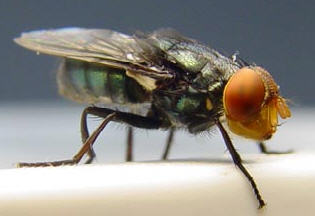
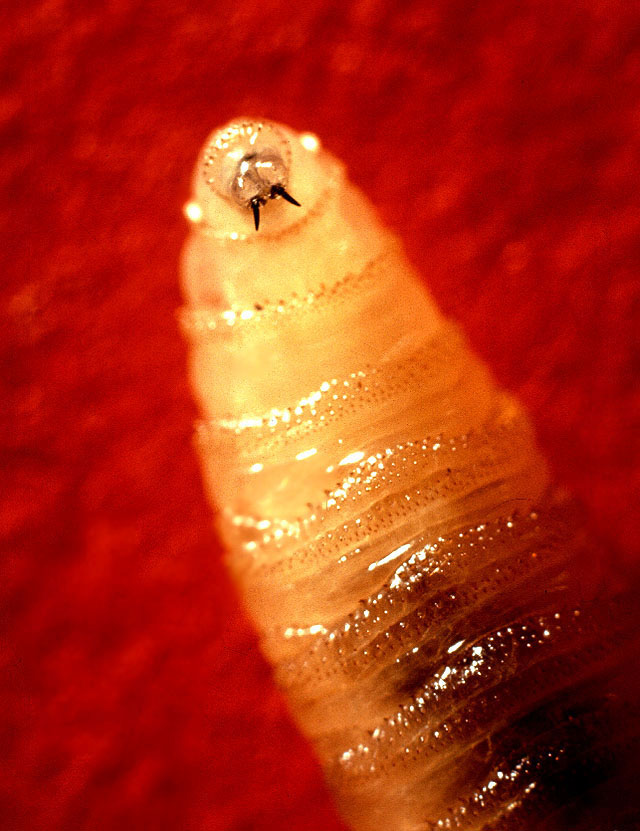
The most recent reports of a resurgence of screwworm larvae, considered a destructive flesh-eating livestock pest, surfaced June 1 about one mile from the Texas board inside Mexico.
By June 3 the USDA confirmed a case in Zavala County in Texas. Most recently, June 8 Gillespie County, farther north – and just 40 miles from the Burnet County line – reported a suspected infected goat. Since that time, officials confirmed 10 cases in Texas and at least one in New Mexico.
“The agencies in charge of this response would be the USDA at the federal level, the Texas Animal Health Commission, at the state level, as well as [Texas A&M] AgriLife and the Texas Parks and Wildlife. They're all working together to respond to screwworms around the state,” Fredericksburg/Gillespie County Emergency Management CoordinatorAshley Morris told Texas Local Media. “Our county, in the event that we were to respond, would provide support through operations, with resources, and information to residents on how to identify screwworm and how to take the measures that need to be taken.”
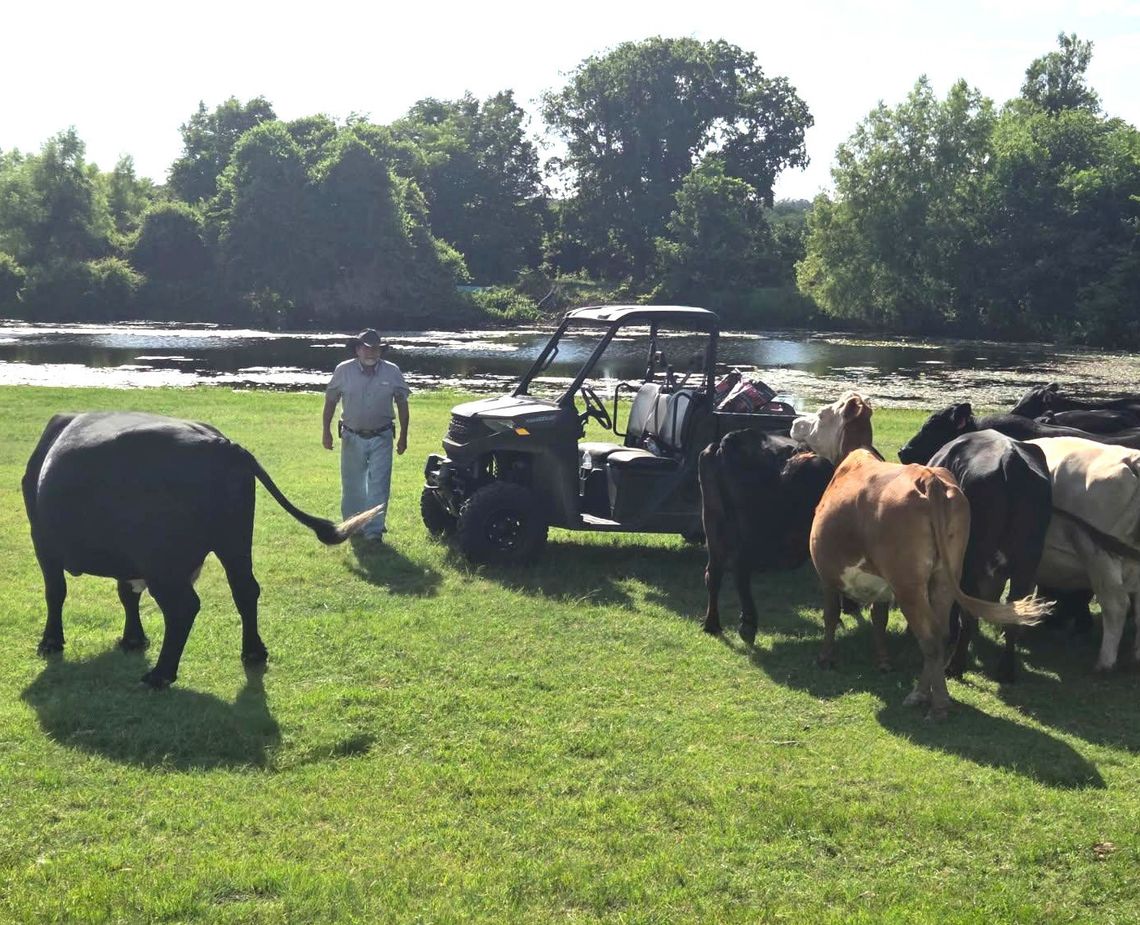
Back in Burnet County, Nichols says he checks his 80 head of cattle more closely as well as livestock at his goat ranch in Howard County in West Texas.
“We used to rope calves and doctor them in the pasture,” Nichols recalled of his childhood in West Texas. “You would lose one (to screwworm) occasionally.
“You’ve got to check your cattle every other day. Doesn’t take long (to go) from eggs to larvae,” he added. “They can be detrimental to cattle or any livestock that you have that has an open wound.”
Nichols, who serves on the Burnet County Rodeo Association, interacts with area ranchers on a regular basis, and the screwworm has become the topic of conversation.
“They’re trying to pay attention. Before they buy cattle they’re trying to make sure there’s no open sores,” he continued. “There’s restrictions on where you can haul cattle - infested areas, the perimeter around that.
“When they’re most vulnerable is an open sore, or a cow calf with an open navel like in La Feira (Cameron County).”
Ranchers will use ivermectin, a powerful anti-parasitic medicine, which damages the nervous system of larvae. Nonetheless, livestock producers must adhere to state-designated quarantines of infected herds.
As soon as reports spread in Texas, San Saba’s Jordan Cattle Auction communicated how they expect to do business.
"We have been actively monitoring the NWS situation and working closely with Texas Animal Health Commission and USDA representatives to stay informed on the latest developments and response protocols," according to a statement from the auction house. "We have reviewed our operational procedures and are prepared to implement any state or federal requirements that may become necessary to protect livestock health while maintaining the efficient movement of cattle through our market."
The auction also maintains a facility in Mason County.
"Livestock marketing channels remain open, and we are committed to providing continuity of business for our customers," the statement continued. "The livestock industry has successfully overcome animal health challenges before through cooperation, communication, and sound science.
“We are confident that producers, veterinarians, markets, and animal health officials will work together to address this situation effectively."
Nichols confirmed that "rapid reporting and quarantine protocols" include more stringent paperwork adherence at San Saba and Mason “sales,” how cattle producers refer to livestock auctions.
“If you haul in or haul out, you have to have, technically, health papers; (if) from an infested area - nothing in, nothing out without those papers,” Nichols explained. “Flies travel, in vehicles, in trailers, everywhere, so it’s hard to say we’re not going to have an outbreak.”
An historic look at timeline of the outbreaks included:
• 1962 – USDA built a “mass-production” sterile fly facility in Mission, and sterile fly males were released to disrupt the parasite's life cycle;
• 1966 – USDA officially declares the screwworm eradicated from the Southwest – except for Texas;
• 1982 – Texas officials deem the screwworm as eradicated; and
• 2026 – Cases spread in early June to multiple counties including La Salle, Zavala, Gillespie and Edwards.
According to the Texas Animal Health Commission, the entity has instituted quarantines “to halt the movement of warm-blooded animals from affected zones.”
At the behest of the governor, the USDA has reactivated a program to launch sterile screwworm flies from a facility on an air base in Edinburg. Crews are constructing a “biosecurity” facility expected to produce 300 million flies per week, officials say.
Despite controlled efforts, another wild card casts doubt on how long eradication might take.
“It’s going to affect the wildlife as far as white-tailed deer; it's a bad time of year now when they (have a) fawn with an open navel and blood present and when bucks lose their horns,” Nichols said.
There’s no doubt, however, about the economic cost for producers.
“It would be an extra cost to the farmer rancher that has to haul them to a sale that may be 50 to 100 miles away,” he said of sale barns. “It makes it more difficult. I don’t know what the price of cattle is going to do.
“I don’t know what it’s going to do to the market,” he added. “Nobody does.”